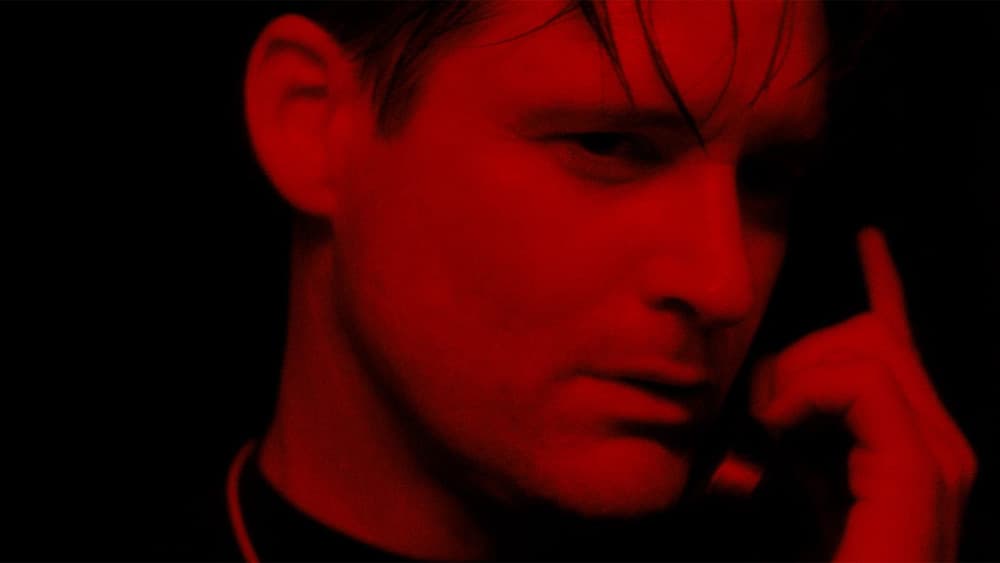
Lost Highway (1997)
How does fantasy function for Fred Madison in the Lost Highway?
Fred Madison in Lost Highway is an example of the cinematic experience of Uncanny. We as humans have familiar instincts, according to Lacan and Freud, we have suppressed desires, bonds, and connections and developed consciousness of things that we are unaware of. This shows Fred as our familiar part of the movie but the man taunting him is something uncanny. The reason he pursues to solve the matter is that it is Uncanny but he does not seem to perceive it that way or understand the reason. We know that desire is significantly coherent but fantasy is not and Lynch’s work reflects the desire for fantasy while it takes us on the journey of having them simultaneously but at the same time separately. As the film progresses, we as the audience are lost as well as Fred not knowing what he really wants or desires in terms of his reality. According to Freud, external and internal reality and fantasy is not achievable in the terms of normal because normal is too difficult for us to comprehend in films. Thus, we are experiencing the normality of the film as Fred experiences it with us. The normal is what confuses us the most in films therefore this distinct separation and co-existence of fantasy and reality make the film even harder to relate to and understand. Furthermore, the opening shot of the film where everything is clear and empty does not allow us to fill up the space in our terms from the start, therefore building the fantasy more and more. Lynch is giving us a clear distinction and choice to fill the gaps unconsciously individually SO that Peter Dayton is unimaginable to Fred and to the audience because it is Uncanny.
The femme fatale of the film is shown by well-put-together Renee in the beginning shot who seems to actually be worried about Fred but there is something off about her that brings us to the mystery element of their desired reality. Maybe Renee is the bonding point of the film that will revolve around us. As we are perceiving the happenings in the film through Lynch’s camera, there is another veil of hidden desire, which Fred is so eager about.

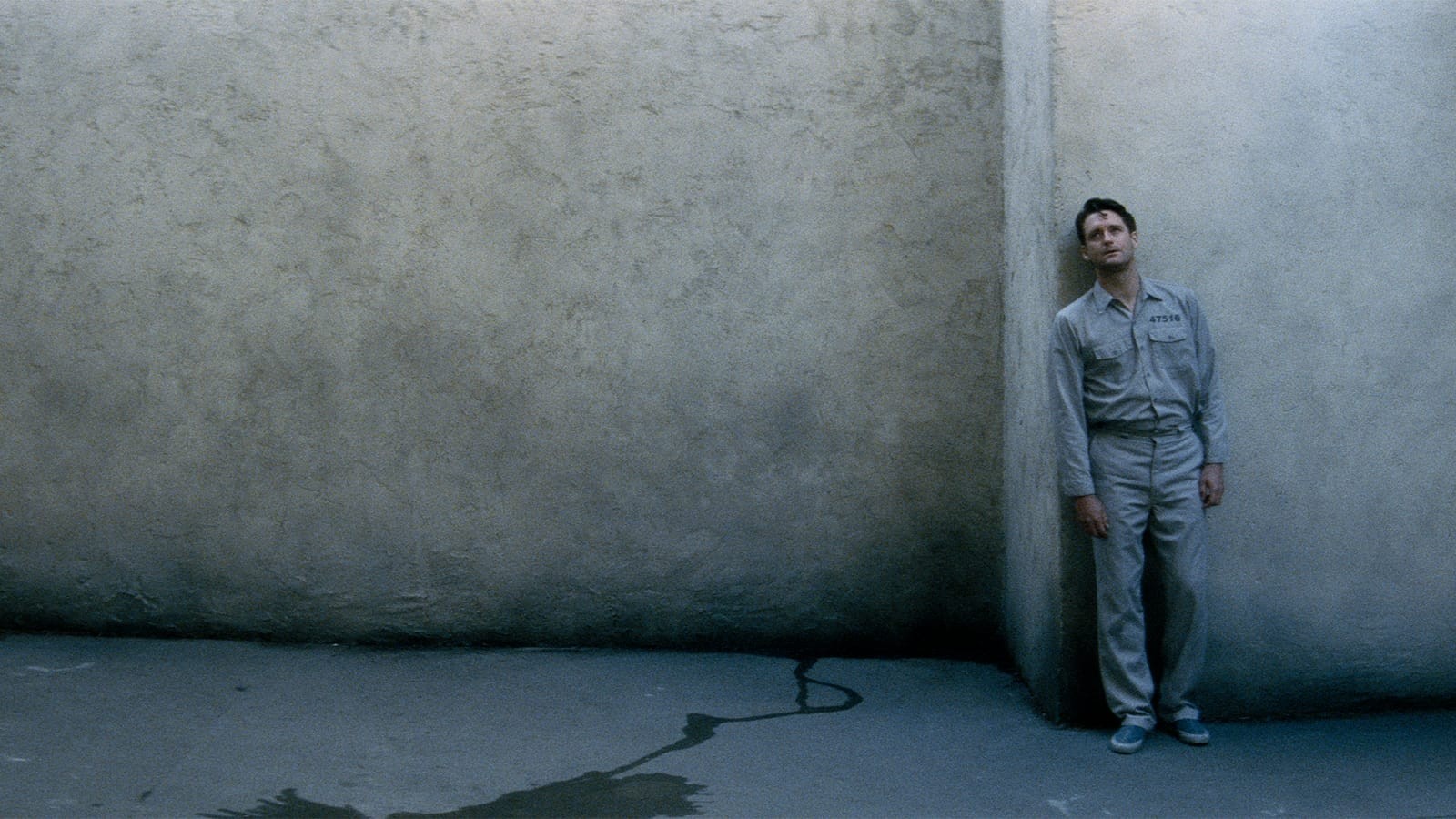
When he receives the videotape at his door, we as the audience are already invited in to watch it with him and prove our increased suspicion towards Renee. However, he is incapable of fulfilling Renee’s desires which is the starting point of the superego figure of fantasy that is proven by the sentence of the mystery man “It is not my custom to go where I am not wanted”, at this point it is hinted to the audience that it is Fred himself and his superego fantasy is speaking to him and presented in the uncanny form. The fact that repression is what makes the relevant concept what they are, happens to be the unconscious foundation building in our minds as Lynch demonstrates by evidence after evidence. It is not that Fred is restless because Mystery Man is unfamiliar and/or unknown but it is, in fact, familiar and it is resembled uncanny, as the movie progresses fantasy and reality slowly reach a common point in regard to Renee’s death more symbolically fantasy rather than her being a secretive femme fatale. When Fred cannot comprehend reality his transformation to Peter Dayton is when he actually faces fantasy in terms of reality, in terms of Lynch’s definition of an illusion. Therefore, he was not trying to find or escape the fantasy but the reality itself which he can never escape thus the direct desire for fantasy. Lynch also carefully demonstrates the comedic element of the film which eases up the tension such as the speeding scene.
Written by: Bayarbayasgalan Purevdorj