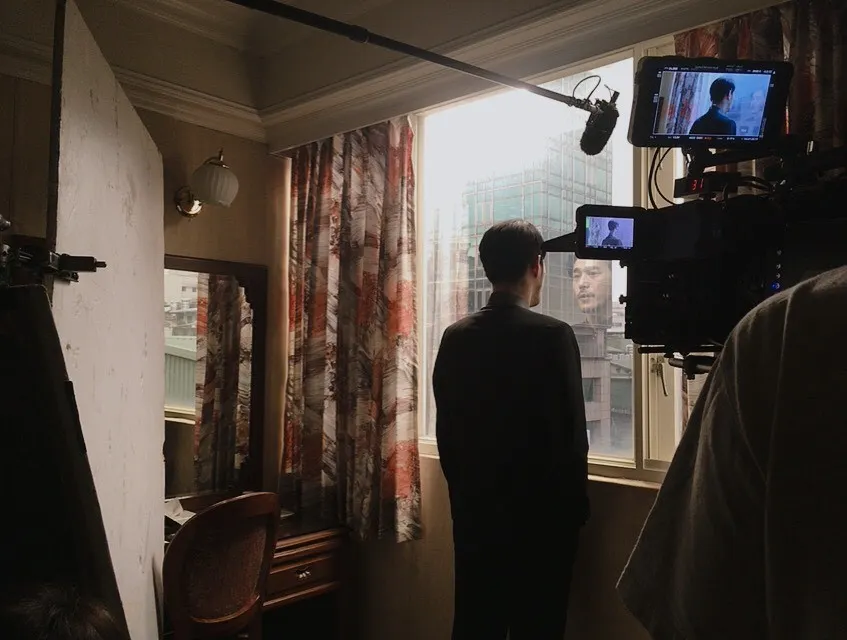
Moments that affirm life in a dignified way
Interview with KEFF, featured in Frame Issue #1
Keff is a Taiwanese-American writer and filmmaker. His first short film "Secret Lives of Asians at Night" was supported by the Spike Lee Film Fellowship and awarded the Jury Prize for Best Asian-American Film by the Director's Guild of America. And his second film "Taipei Suicide Story" had its world premiere at the Cannes Film Festival and won the Grand Jury Prize at the Slamdance Film Festival. His latest film "Locust" was premiered at the Cannes Critics' Week in 2024.
1. Observation
Unurjargal Narmandakh: I believe art imitates life. Taipei Suicide Story felt like a reflection of modern life where loneliness, especially in the context of a big city, has quietly become the norm. How do you observe the world around you? What tends to catch your attention lately? What makes you stop and really look?
KEFF: I’m really drawn to faces. They seem to carry all the evidence of not just one’s experiences in life, but in what manner and with what attitude they’ve dealt with them. It’s like what Road Dahl and Quentin Blake once pointed out (see illustration below.) Over time, absorb enough faces within a specific context, and a collective story about a time and place begins to emerge.
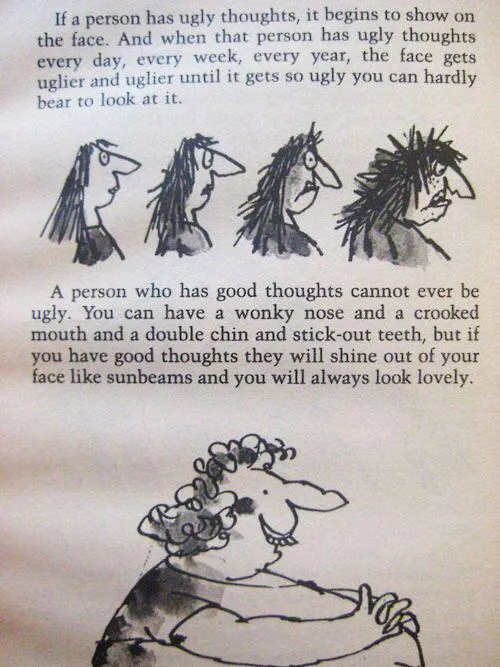
Lately, I’ve been trying to live a slower life, and be more present in the little moments. There’s immeasurable beauty in the way people do things, like how an older woman tilts her head up at the sky when she thinks it’s about to rain. Or how a tired salaryman smiles at a cute dog on his way home. I find myself struck and deeply moved by stuff like this all the time now, especially when it affirms life in a noble, surprising, and dignified sort of way.
2. Idea
U.N.: How is an idea born for you? For example, the concept of expressing deep loneliness and the desire to be seen through something as surreal yet strangely grounded as a suicide hotel. It’s both haunting and intimate. How did that idea take shape?
KEFF: It’s a spark of lightning, really. You try to narrow your scope of focus based on whatever your intentions, emotions, and inspirations are at the moment. But after that, I don’t think you find the idea - rather, the idea finds you, distilling itself down from whatever’s swimming in your head.
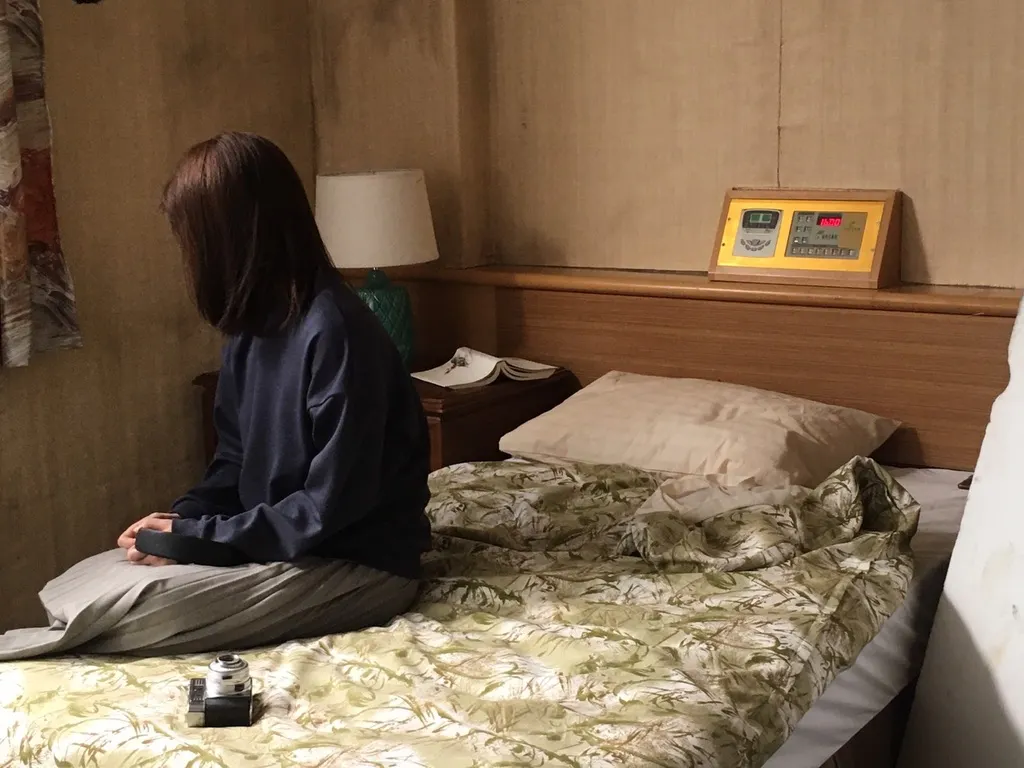
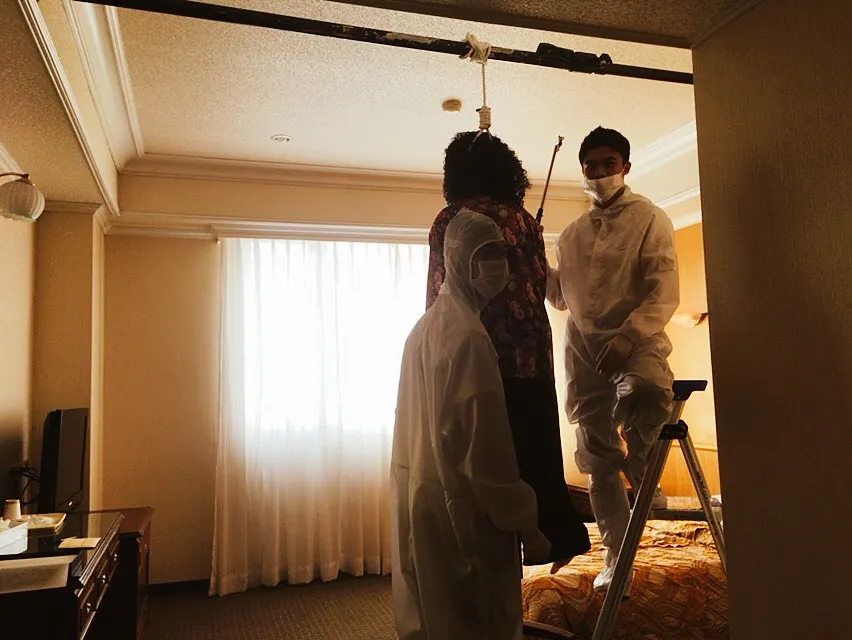
With “Taipei Suicide Story’, I knew the subject matter and the feelings, but not the story or the form. One night, I was reading about assisted suicide facilities in Switzerland - they’re mostly for terminally ill patients, but they also consider applications from those suffering from depression. I was amused at the thought of having to apply for permission to die. I suddenly wondered what an alternate facility that gave its guests complete freedom for better or worse might look like, and that’s how the suicide hotel was born.
3. Script
U.N.: Filmmaking is a collective process, but writing a script is often just you and the page. In your view, what makes a script truly come alive? What kind of writing process works best for you?
KEFF: I think it’s good if you can tap into some sort of flow state and let the words pour out of you - that way, you can be sure what you’re writing is honest, personal, and real. It’s much easier said than done, though: I’m a terribly inefficient writer, and I always describe my process as not being dissimilar to how a trickling stream of water shapes the rocks below it over 10,000 years of erosion.
Part of why I’m inefficient is that I insist on writing sequentially. I don’t jump around: I only ever write the scene immediately following what I’ve already written, and if I’m on page 70 of a script, I have to read up to where I left off before I can continue. It’s a real pain, but I find it helps me keep track of everything I’ve been building up, so any eventual climax and release can be that much more cathartic and impactful.
4. Pitch
U.N.: How do you feel about pitching your ideas to production companies or sponsors? What’s that experience like for you emotionally and practically? And more broadly, how do you see the state of the film industry today?
KEFF: I try not to think about it all too much. It’s easy to take it personally, but the truth is often times a rejection has nothing to do with the merit or quality of a project at all. It’s all just part of the process. You want to work with people who believe in you and what you want to do anyway, so it’s best to represent yourself and your ideas proudly without any regrets and hope for the best.
I have to say that I actually don’t feel too great about the state of the industry right now. Cinema has always been at the intersection of art and commerce, but the realities of survival under capitalism have meant that commercial considerations have completely outweighed the art as of late. I can tell you that many of the companies we admire wouldn’t make the films that we love them for today.
You said in your first question you believe art imitates life. I believe life can imitate art, too: after all, we can’t help but learn and take away from the films that inspire us. My worry is if we abandon stories that lead and challenge their audiences in overwhelming favor of risk-averse ones that follow and pander to theirs, we’ll effectively be trading short-term profit for the long-term irrelevance of our medium.
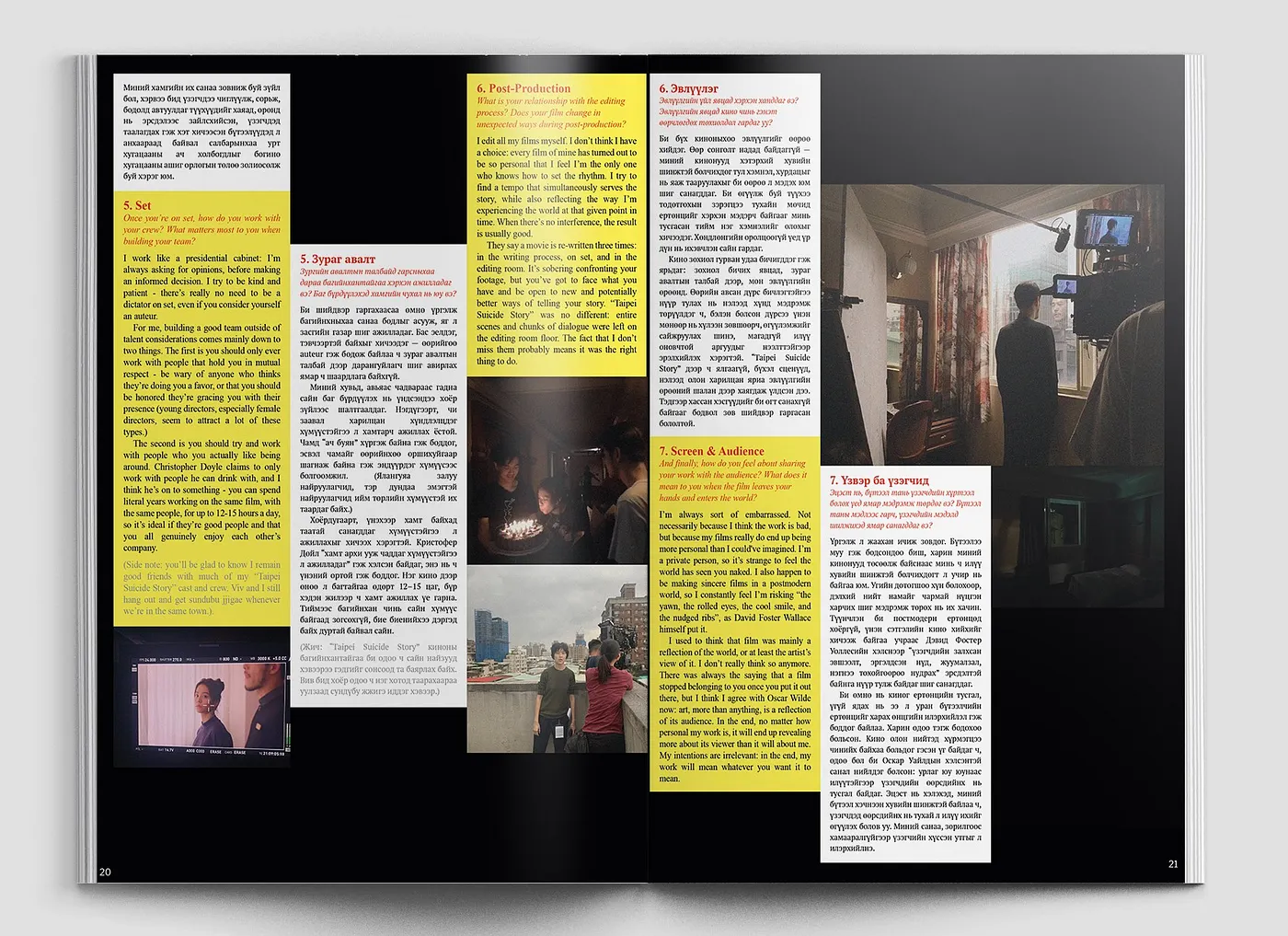
5. Set
U.N.: Once you’re on set, how do you work with your crew? What matters most to you when building your team?
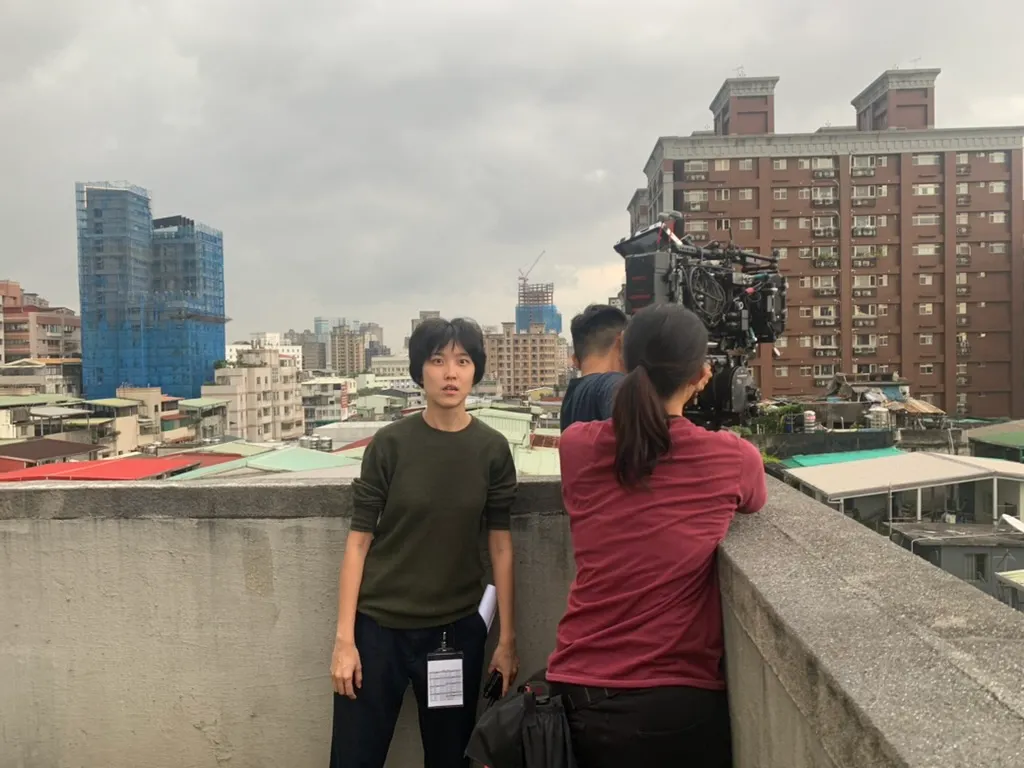
KEFF: I work like a presidential cabinet: I’m always asking for opinions, before making an informed decision. I try to be kind and patient - there’s really no need to be a dictator on set, even if you consider yourself an auteur.
For me, building a good team outside of talent considerations comes mainly down to two things. The first is you should only ever work with people that hold you in mutual respect - be wary of anyone who thinks they’re doing you a favor, or that you should be honored they’re gracing you with their presence (young directors, especially female directors, seem to attract a lot of these types.)
The second is you should try and work with people who you actually like being around. Christopher Doyle claims to only work with people he can drink with, and I think he’s on to something - you can spend literal years working on the same film, with the same people, for up to 12-15 hours a day, so it’s ideal if they’re good people and that you all genuinely enjoy each other’s company.
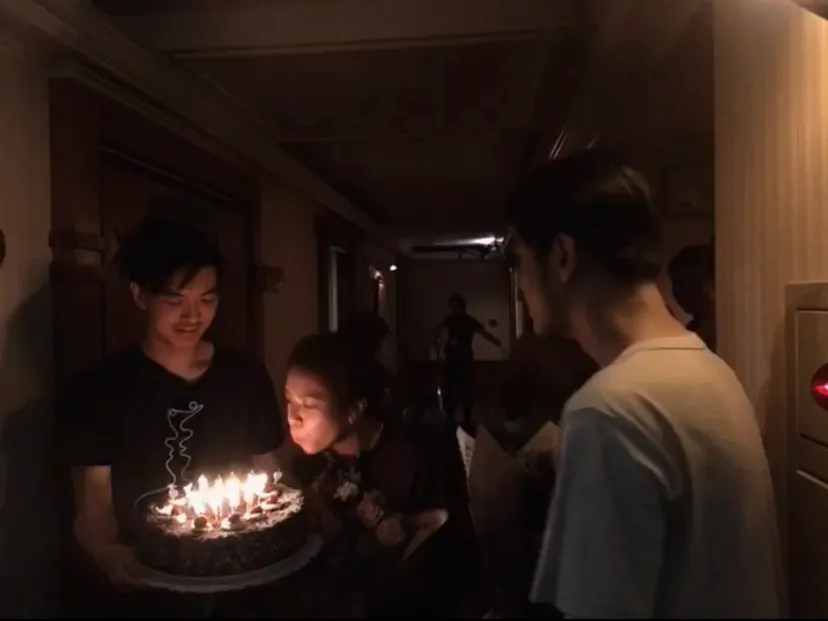
(Side note: you’ll be glad to know I remain good friends with much of my “Taipei Suicide Story” cast and crew. Viv and I still hang out and get sundubu jjigae whenever we’re in the same town.)
6. Post-Production
U.N.: What is your relationship with the editing process? Does your film change in unexpected ways during post-production?
KEFF: I edit all my films myself. I don’t think I have a choice: every film of mine has turned out to be so personal that I feel I’m the only one who knows how to set the rhythm. I try to find a tempo that simultaneously serves the story, while also reflecting the way I’m experiencing the world at that given point in time. When there’s no interference, the result is usually good.
They say a movie is re-written three times: in the writing process, on set, and in the editing room. It’s sobering confronting your footage, but you’ve got to face what you have and be open to new and potentially better ways of telling your story. “Taipei Suicide Story” was no different: entire scenes and chunks of dialogue were left on the editing room floor. The fact that I don’t miss them probably means it was the right thing to do.
7. Screen & Audience
U.N.: And finally, how do you feel about sharing your work with the audience? What does it mean to you when the film leaves your hands and enters the world?
KEFF: I’m always sort of embarrassed. Not necessarily because I think the work is bad, but because my films really do end up being more personal than I could've imagined. I’m a private person, so it’s strange to feel the world has seen you naked. I also happen to be making sincere films in a postmodern world, so I constantly feel I’m risking “the yawn, the rolled eyes, the cool smile, and the nudged ribs”, as David Foster Wallace himself put it.
I used to think that film was mainly a reflection of the world, or at least the artist’s view of it. I don’t really think so anymore. There was always the saying that a film stopped belonging to you once you put it out there, but I think I agree with Oscar Wilde now: art, more than anything, is a reflection of its audience. In the end, no matter how personal my work is, it will end up revealing more about its viewer than it will about me. My intentions are irrelevant: in the end, my work will mean whatever you want it to mean.
8. Move On
U.N.: How quickly do you move on to your next project after finishing one? And what are you currently working on, if you're open to sharing?
KEFF: It’s kind of like getting out of a relationship: you don’t really decide. Sometimes, you’ll find yourself thinking about her, even if you try your best not to. But then a day eventually comes when you’re taking a shower or paying your taxes, and it’ll casually occur to you that you haven’t thought about her in a while. Life buries it in the past for you (though getting a new girlfriend, metaphorically speaking, seems to accelerate this.)
I guess I’m working on myself? I’m measuring my relationship with the rest of the world. For me, there seems to be less urgency than usual to find the next project, because I’ve healed my biggest wound. A third-culture kid and perpetual outsider is always cursed with feeling like they’re never enough, and that they have something to prove. I have nothing to prove to anyone but myself anymore. I have always been enough.
I guess I’m like a ronin: a wandering instrument, in search of a purpose. I did write a script earlier this year, and I think I’ll write another one soon. The common thread seems to be “overcoming resentment.” Seems to me to be a worthy cause.
Interview by Unurjargal Narmandakh
This interview was featured in the print version of Frame Issue No. 1.
Бичсэн: